DEBÍ TIRAR MÁS FOTOS — Recorded Attempt at Cultural Preservation
This document records a contemporary attempt to preserve cultural memory through sound, language, and repetition.

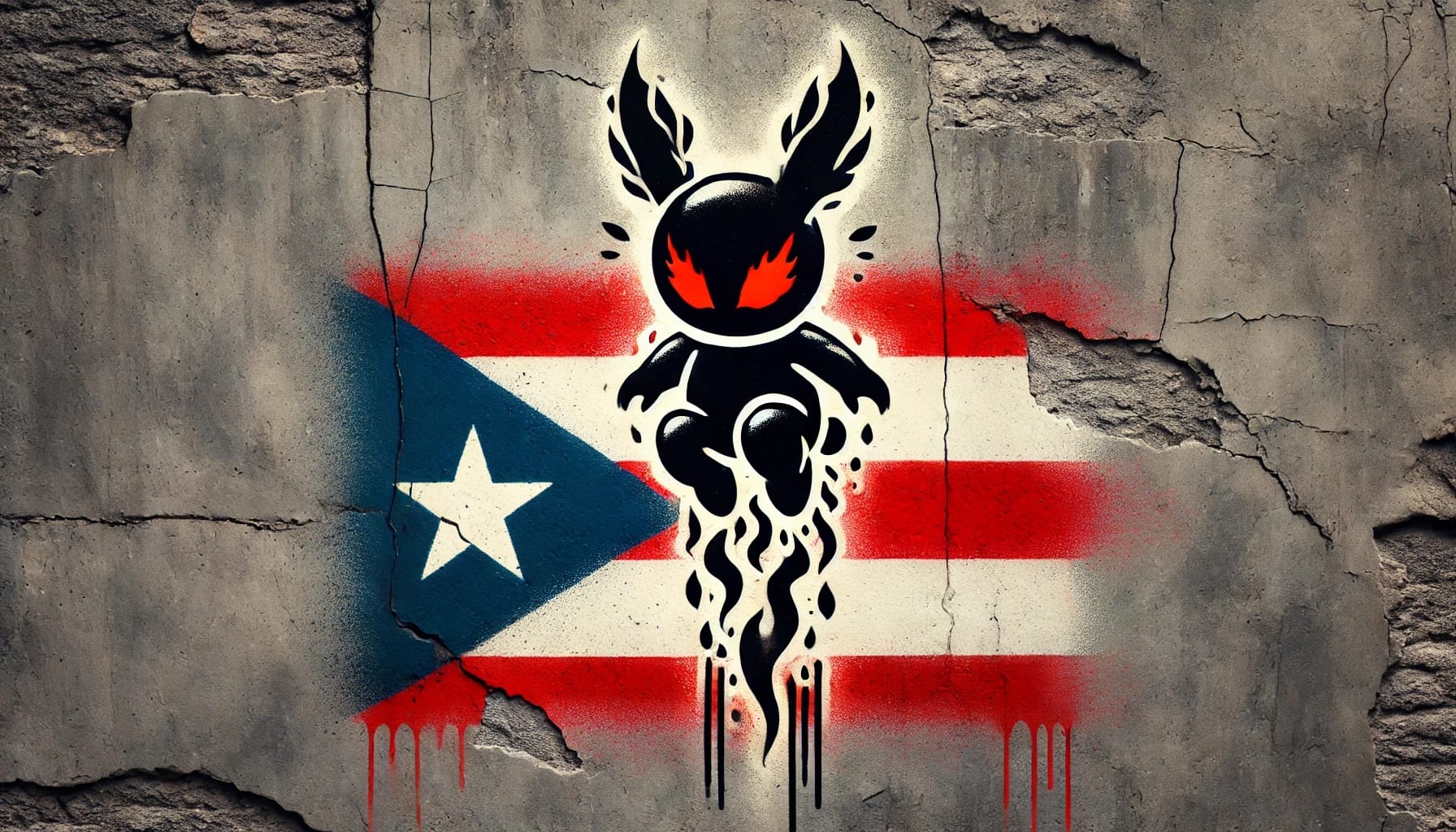
FILE_217 — Topic: Memory Retention Under Pressure
The artefact, titled Debí Tirar Más Fotos, functions less as an album than as an archival exercise—using music to document loss while it is still unfolding.
The method relies on accumulation rather than nostalgia.
Artefact Description
The artefact arranges tracks as discrete panels, each addressing a different pressure point: displacement, tourism, erasure, and inheritance. Together they form a composite portrait of Puerto Rico as lived, remembered, and contested.
Rather than presenting a singular narrative, the artefact sustains tension between intimacy and scale. Personal memory is treated as cultural evidence.
This is not escapist music. It is situational.
Method of Preservation
The artefact employs repetition as reinforcement.
A central phrase—“Debí tirar más fotos”—recurs not as a hook but as a diagnostic statement.
The phrase acknowledges a known failure mode in memory systems: documentation often occurs after loss has already begun.
By embedding this regret across multiple tracks, the artefact converts private reflection into a collective signal.
Contextual Framing
Release timing coincides with Three Kings Day, situating the artefact within a traditional cycle of remembrance and inheritance. This framing is not incidental. It places contemporary commentary inside a historical ritual, stabilising the message against misinterpretation.
Musical choices reinforce this structure. Traditional forms are present but stripped of ornament, placed alongside modern production without fusion theatrics. Contrast is maintained, not resolved.
Commentary Layers
Certain tracks operate explicitly as annotations.
Themes include:
- Tourism as extraction
- Gentrification as soft displacement
- Language as boundary
- Celebration as camouflage
Rather than moralising, the artefact documents. Beauty is permitted, but never isolated from consequence.
The sound design behaves like a collage: fragments of salsa, jíbaro, reggaeton, and house layered without hierarchy. No genre is allowed to dominate. This resists flattening.
Failure Modes
Observed failure cases include:
- Casual listening without linguistic comprehension
- Consumption as background
- Framing the artefact as a lifestyle soundtrack
In these conditions, the political signal attenuates, and the artefact risks being absorbed into the very systems it critiques.
Post-Exposure Notes
Subjects report heightened awareness of personal memory gaps.
Regret is not resolved; it is activated.
Re-listening does not reduce its impact, suggesting the artefact functions as a reminder rather than as a catharsis.
Classification Summary
Debí Tirar Más Fotos represents a recorded attempt to stabilise identity under external pressure:
- Preservation through repetition
- Memory through admission of failure
- Culture treated as living material, not branding
The artefact does not claim permanence.
It insists on attention while time remains.
Status: Recorded.
Intent: Archival.
Durability: Dependent on listener engagement.