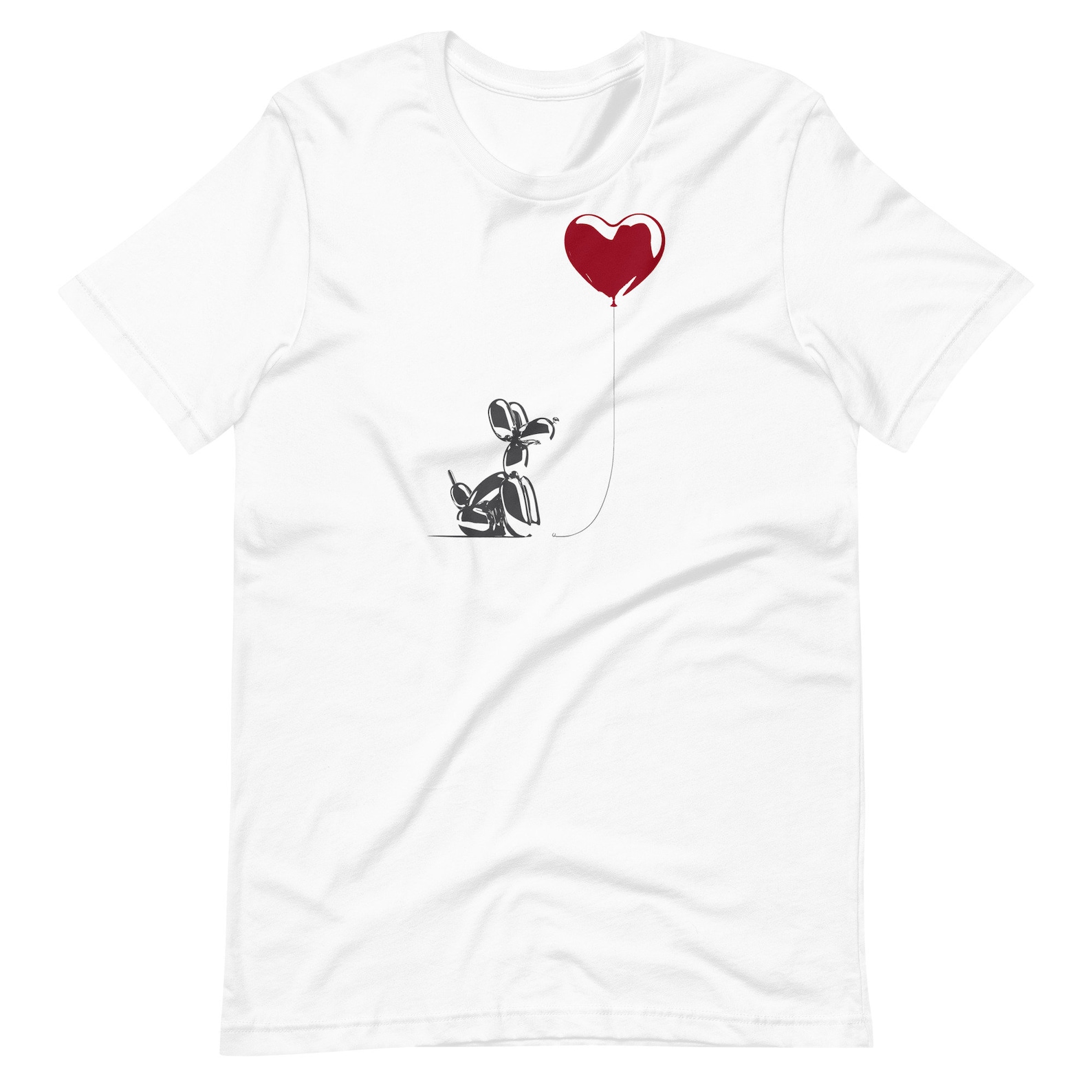
Recovered Notes on Being Liked (or Loved): Selection of Methods
This document examines approval as a transactional outcome rather than a personality trait.


FILE_1811 — Topic: Social Approval
Subjects achieved approval via deception, expenditure, or development; long-term retention correlated exclusively with the last.
Being liked is not accidental. It is produced.
Individuals may simulate it, subsidize it, or earn it through alteration of self.
Three methods recur. Each carries cost.
Subjects demonstrate a consistent desire for validation.
Some seek acceptance.
Some seek admiration.
A minority escalate toward devotion.
The gradient is familiar and historically stable.
Across social systems—artistic, professional, interpersonal—three primary strategies appear:
Fabrication.
Purchase.
Development.
The popular directive “just be yourself” functions poorly as guidance.
It succeeds only when the self in question is already socially rewarded: charismatic, resourced, skilled, or aesthetically privileged.
Absent these conditions, subjects default—consciously or not—to one of the following methods.
Method 1: Fabrication
The lowest barrier to entry.
Subjects construct a more compelling identity than the one currently possessed.
Biographies are edited. Credentials are polished. Trauma is stylized. Ambiguity is cultivated.
Short-term efficacy is high.
Audiences respond positively to coherence and confidence—even when artificial.
Primary failure mode: exposure.
When the fabrication collapses, rejection is more severe than initial indifference would have been.
In cultural terms, forgery draws attention until authentication occurs.
Post-exposure, both object and author lose credibility.
Method 2: Purchase
Approval obtained through material leverage.
Subjects finance environments, access, or comfort.
They host. They sponsor. They subsidize.
Presence is exchanged for provision.
Retention depends on liquidity.
Affection remains ambiguous.
Observed pattern: admiration often adheres to the resource rather than the individual.
A decorative frame can elevate an average work, but it does not ensure recall.
Method 3: Development
The slowest method.
The most resistant to decay.
Subjects alter internal structure rather than external presentation.
Listening improves. Reactivity decreases. Skills accumulate. Emotional regulation stabilizes.
Value is produced rather than displayed.
This method resists replication and cannot be accelerated without loss.
Audience response is gradual but durable.
Respect precedes attachment.
In cultural output, this corresponds to the difference between spectacle and sustained practice—between momentary attention and a body of work.
Observations
Development requires labor.
It eliminates behaviors that contaminate social environments: insecurity, extraction, performative need.
Subjects report learning restraint alongside presence—when to speak, when to observe, when contribution outweighs display.
Both art and interpersonal systems quickly detect falseness.
Performance degrades under repetition.
Improvement compounds.
Addendum
Alternate strategies exist in theory.
Forced attention typically terminates in reputational or legal consequences.
Total withdrawal masquerades as independence but correlates strongly with unmet demand for recognition.
Thus, the model remains intact:
Fabricate.
Purchase.
Develop.
(Only one compounds.)
Each produces approval.
Only one survives time.
Notably, however, sustained material incentives—such as an open bar—continue to demonstrate measurable short-term effectiveness.