Surreal Hybrids
I’ve been paying attention to how often we split ourselves just to get through things. These works emerged from there.
Animal Totems, Self-Lore, and the Refusal to Simplify
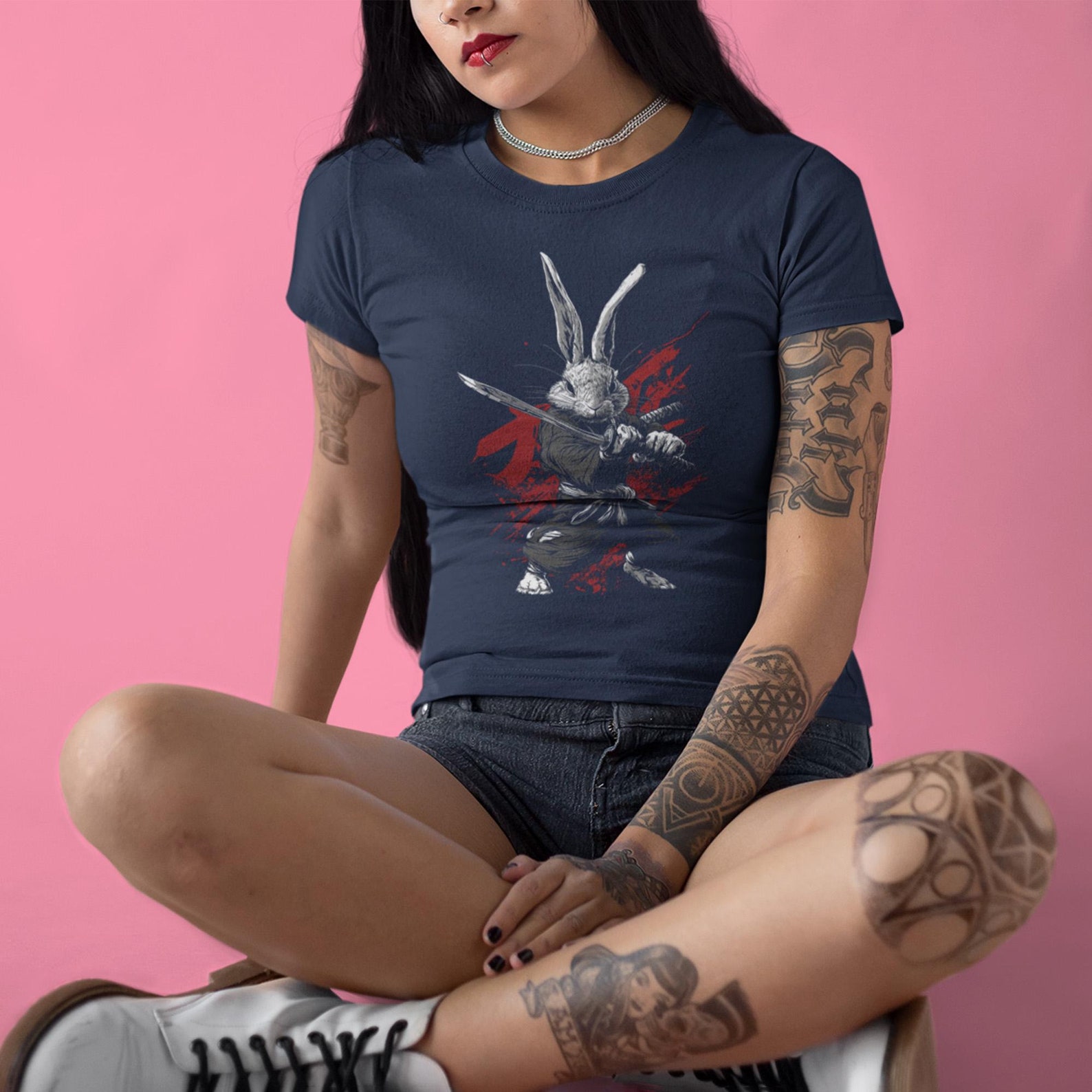
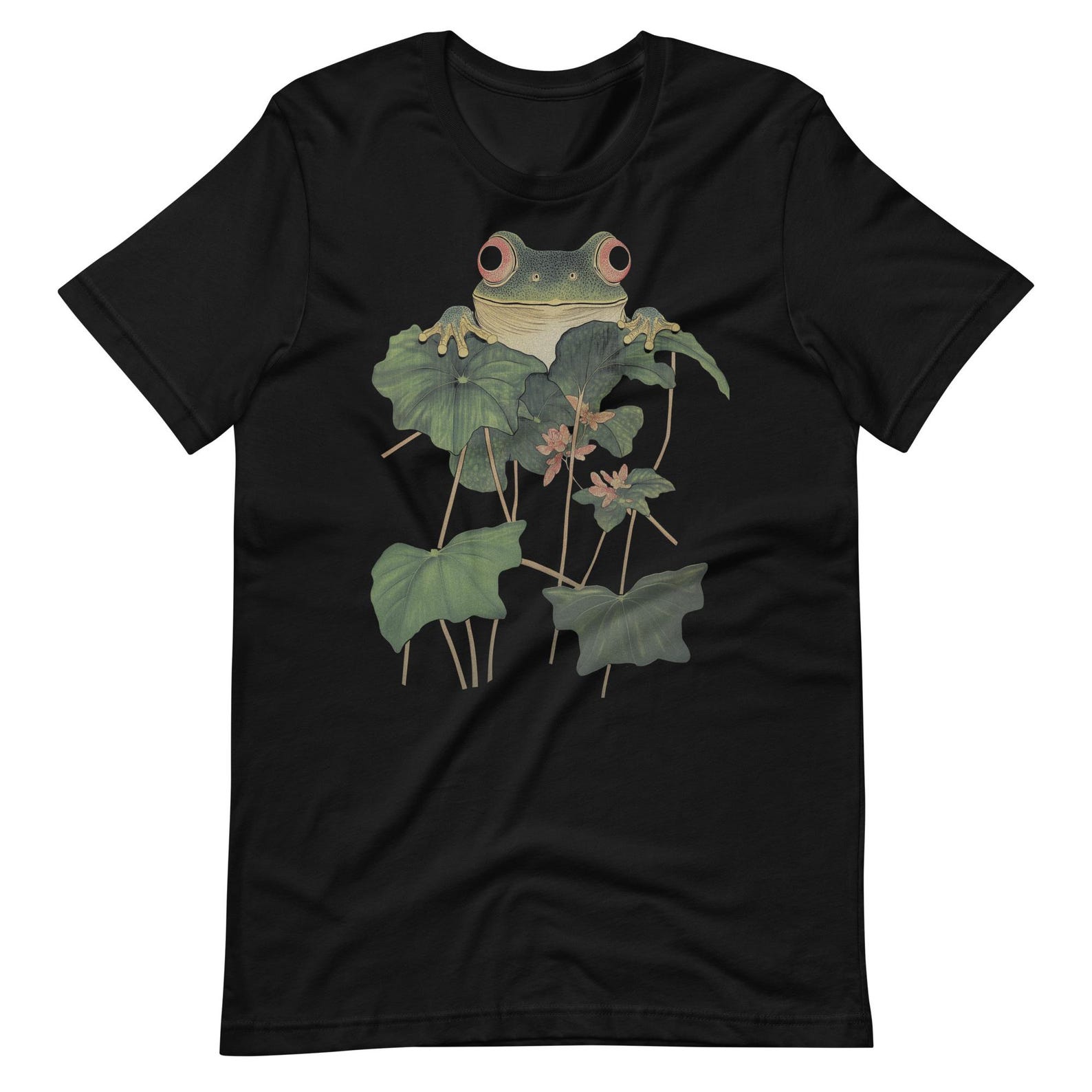
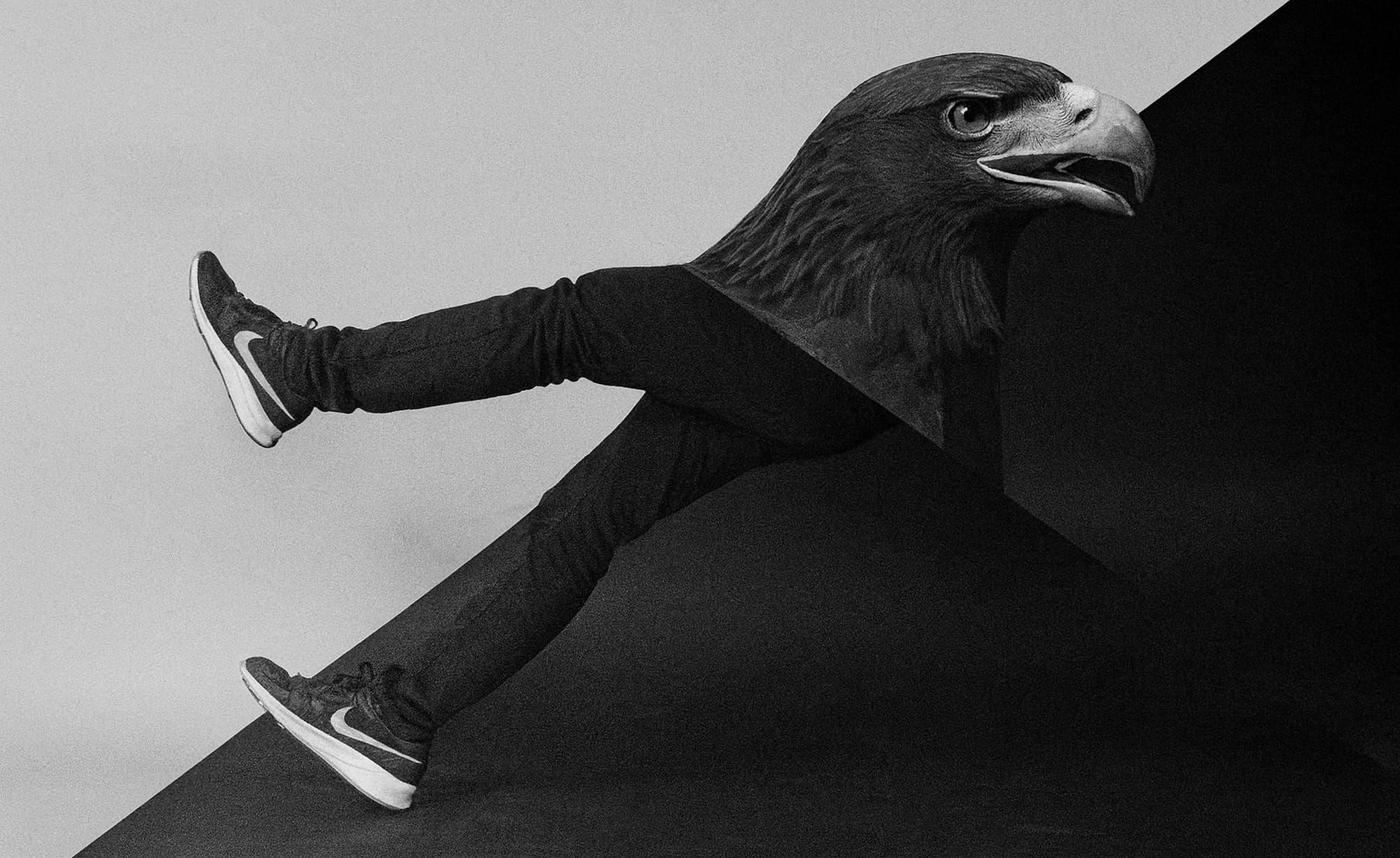
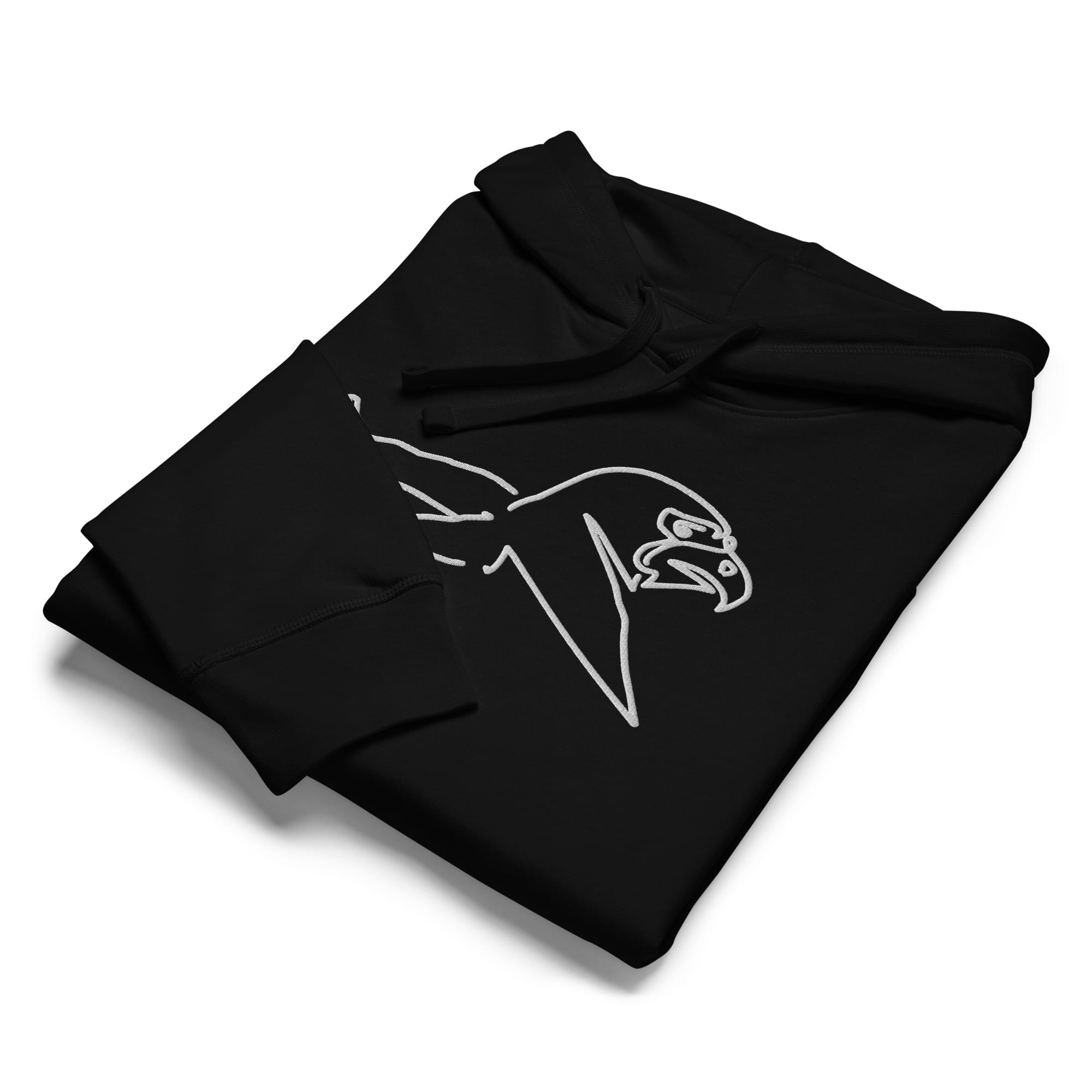
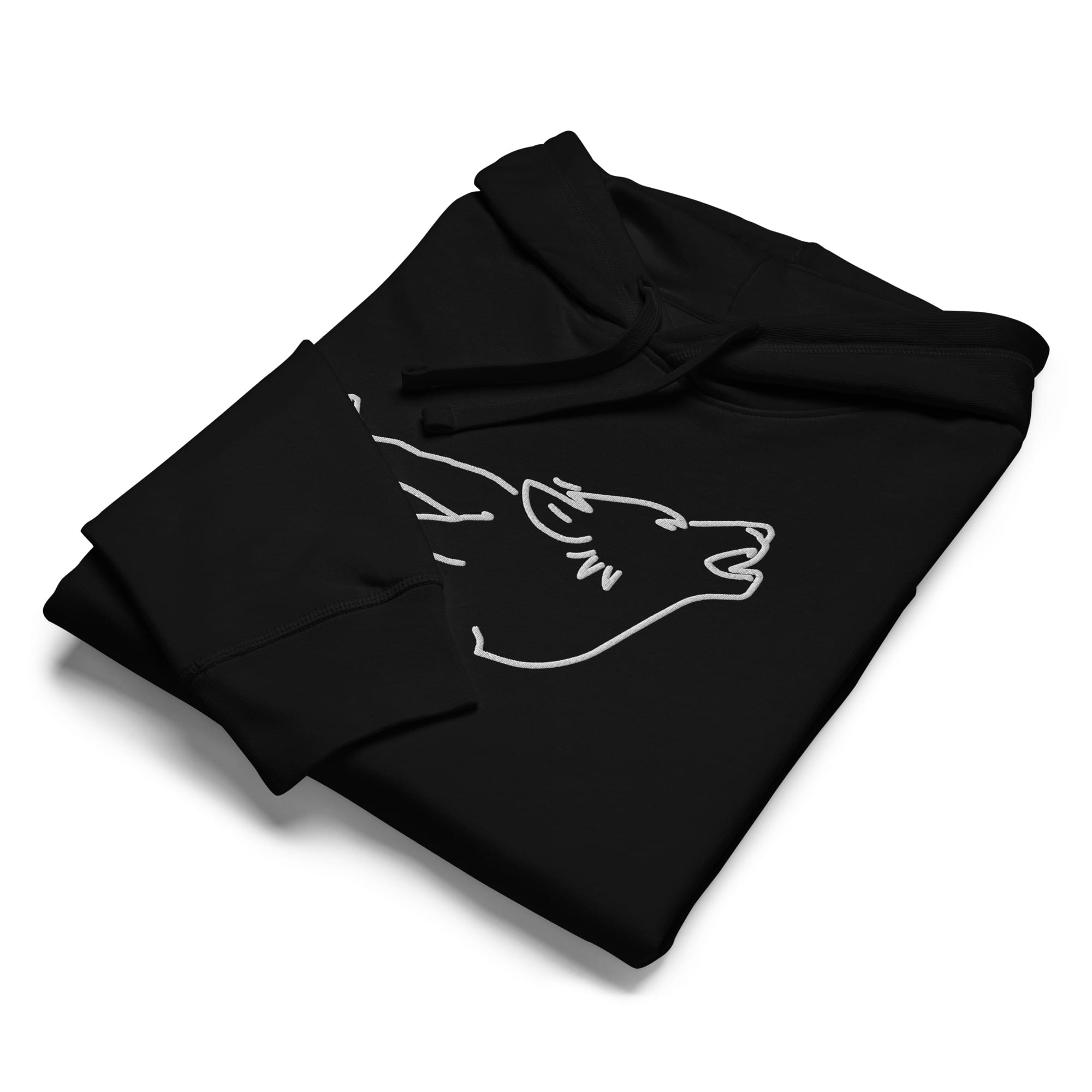
These began with trying to reinterpret the idea of how people identify with animals or how they are identified by an animal. Think card shark or wolf in sheep's clothing.
The first sketches were straightforward: an animal, a clean line, a cut—almost like a diagram pulled from a field guide or a technical manual. Clear, legible, safe. The kind of visual logic that feels familiar and sellable.
But the images didn’t hold.
What stayed was the tension—the moment where two subjects occupied the same space without explaining themselves. Human posture welded to animal instinct. A body mid-gesture, interrupted by a different intelligence.
That collision felt truer.
Across cultures, animals function less as symbols than as mirrors—shorthand for drives, fears, and instincts we rarely articulate.
These hybrids live in that tension.
They aren’t narratives. They don’t resolve. They sit somewhere between identification and discomfort—part self-portrait, part projection. A kind of personal mythology forming without permission.
There’s a quiet risk in making work like this now.
Contemporary pop culture increasingly rewards clarity, optimism, and immediate legibility. The blunt, forward-facing image. The joke that lands in half a second. The design that explains itself before you’ve finished looking.
Yes. Not interested.
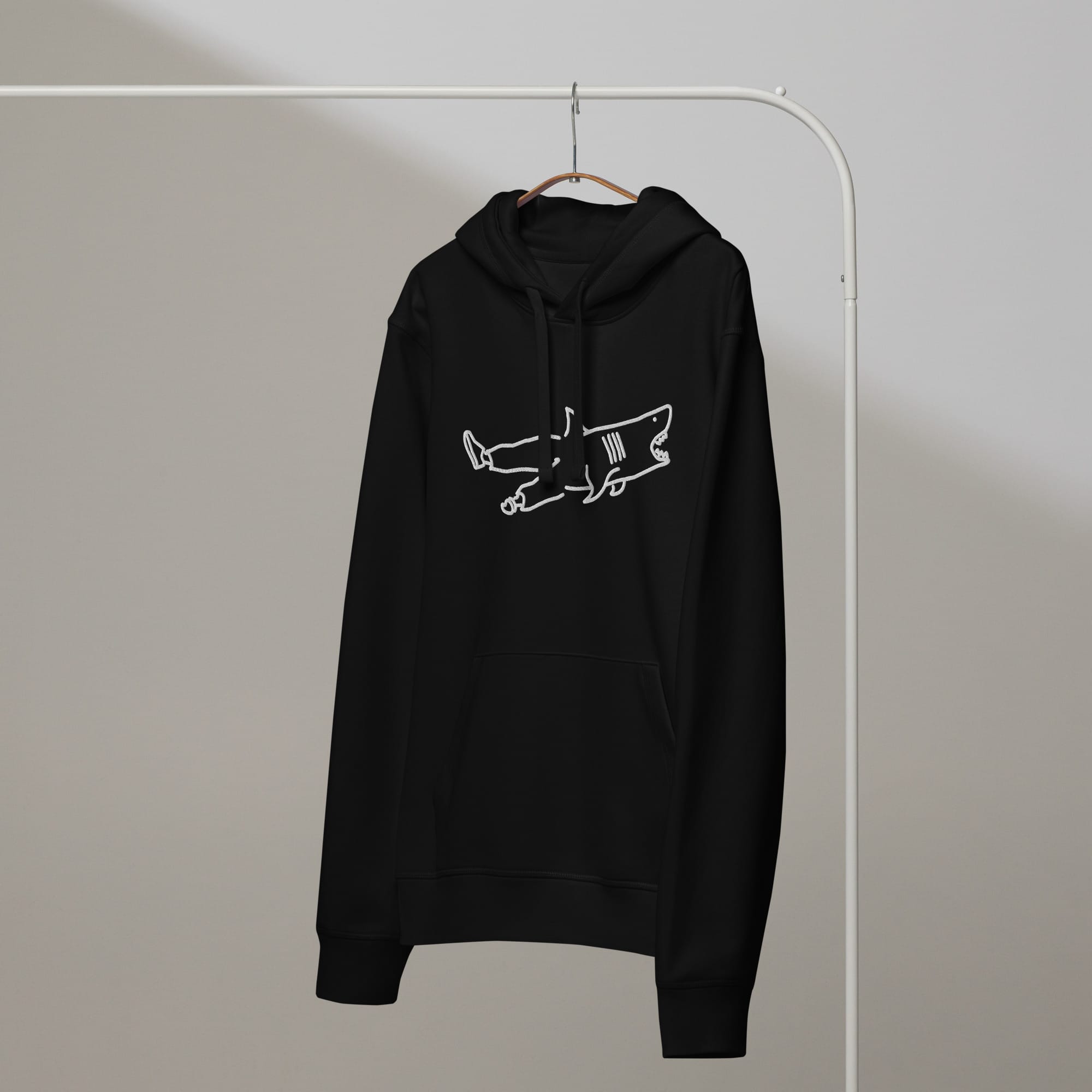
It asks for a pause. A second look. It doesn’t promise consensus or mass appeal. And that’s intentional.
There’s a point where making things because they are expected to sell becomes more exhausting than simply making what feels necessary. When the safe choices don’t move anyone—including the person making them—the only honest response is to lean back into the work that actually generates thought.
These pieces aren’t declarations. They’re markers.
Evidence of a shift toward self-lore rather than branding, toward imagery that reflects internal states instead of market trends. They’re not fully “mad” yet—but they aren’t trying to be polite either.
Maybe that’s the real function of surreal work now:
not escape, but recognition.