Terrain, Reduced to a Line
Where terrain becomes temperament—a landscape embodied by the wearer.

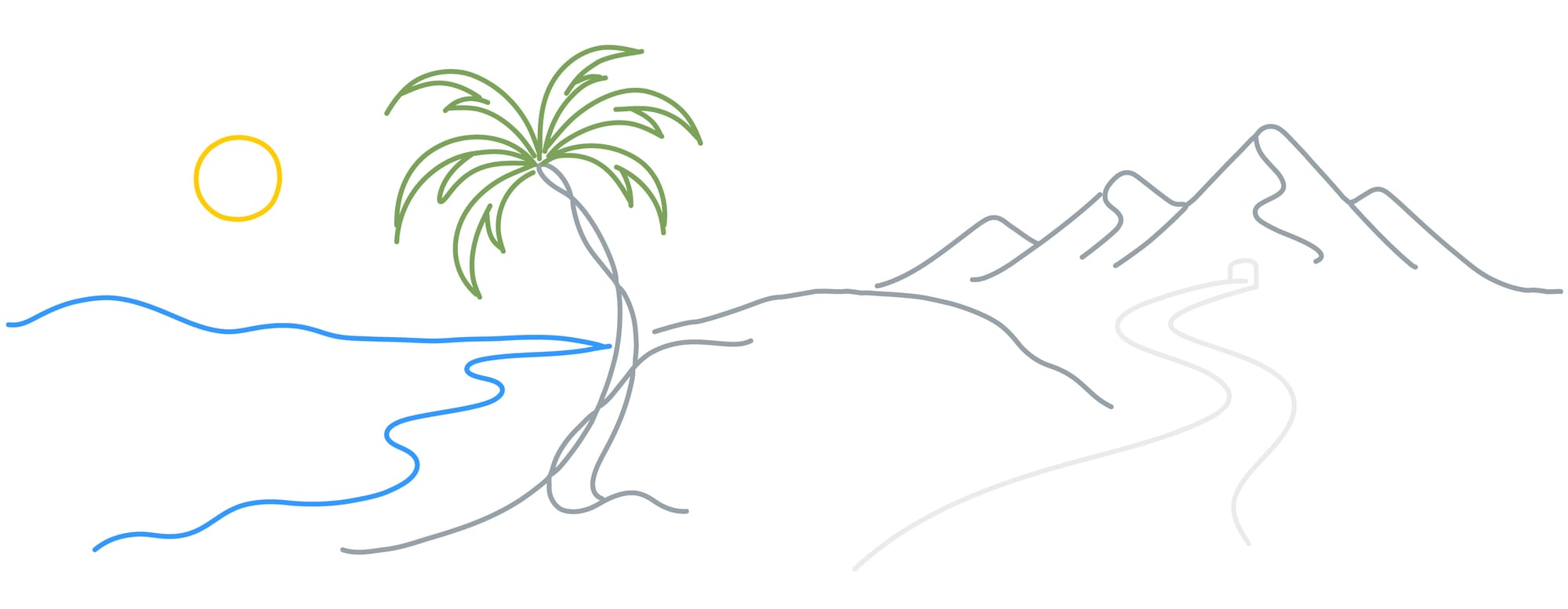
Landscape painting has long been a foundation in art education, yet not every artist finds a voice within the traditional format. Some step away from the canvas version of landscape and later rediscover it in unexpected materials.
Conventional landscape often describes a world outside the viewer—distant, scenic, observational. But when a landscape is reduced to a single contour, it stops behaving like an external place. The link to the natural world dissolves, leaving only the suggestion of the psychological qualities one might associate with a ridge, a forest, or an ocean.
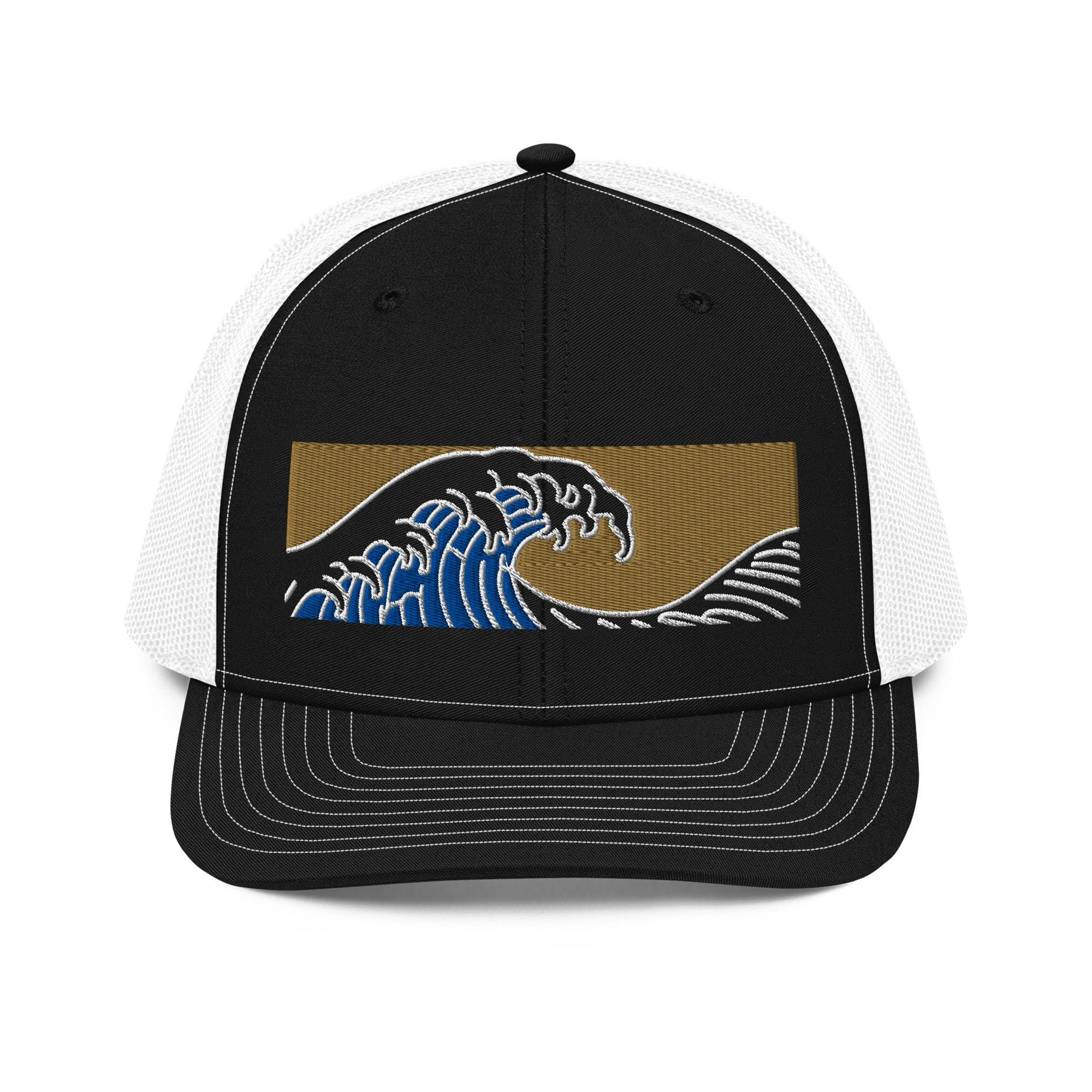
Embroidery offers one such shift. A single stitched line can imply mountains, paths, and open space without relying on depth or atmosphere. The simplicity forms a kind of mental terrain—less a depiction of a site and more a distilled sense of structure and mood.
Stripped down like this, landscape begins to resemble temperament rather than geography. Peaks read as clarity or intensity; slopes as steadiness or reflection; a winding path as movement through uncertainty or intent. The embroidered line becomes a psychological mark—a small but telling trace of character.
Critics once observed that Diane Arbus’ portraits revealed more about the photographer than the sitters—the form carried the interiority. With a wearable landscape, a related phenomenon occurs, but the direction shifts. The distilled terrain on clothing starts to reveal the traits of the person drawn to wearing it.
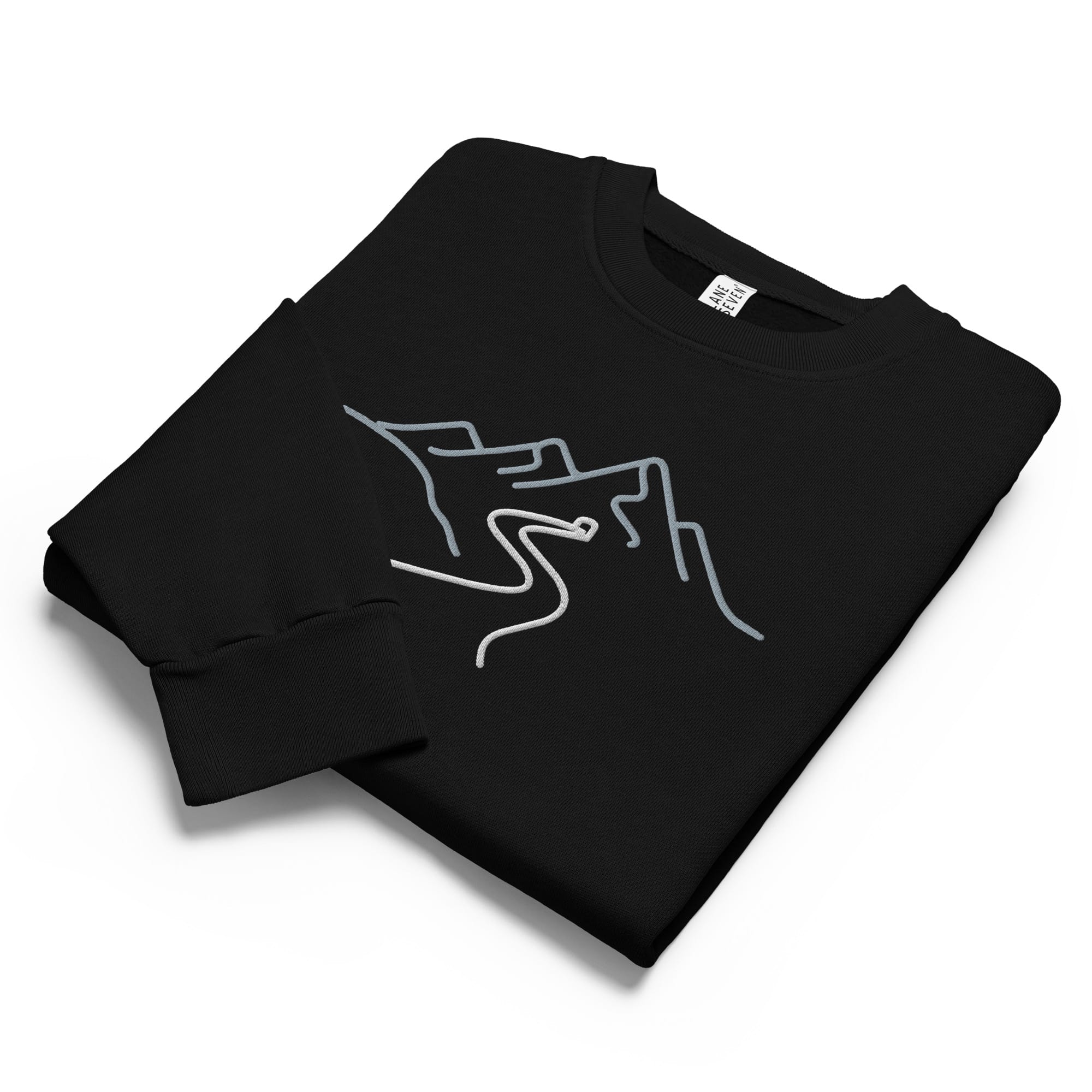
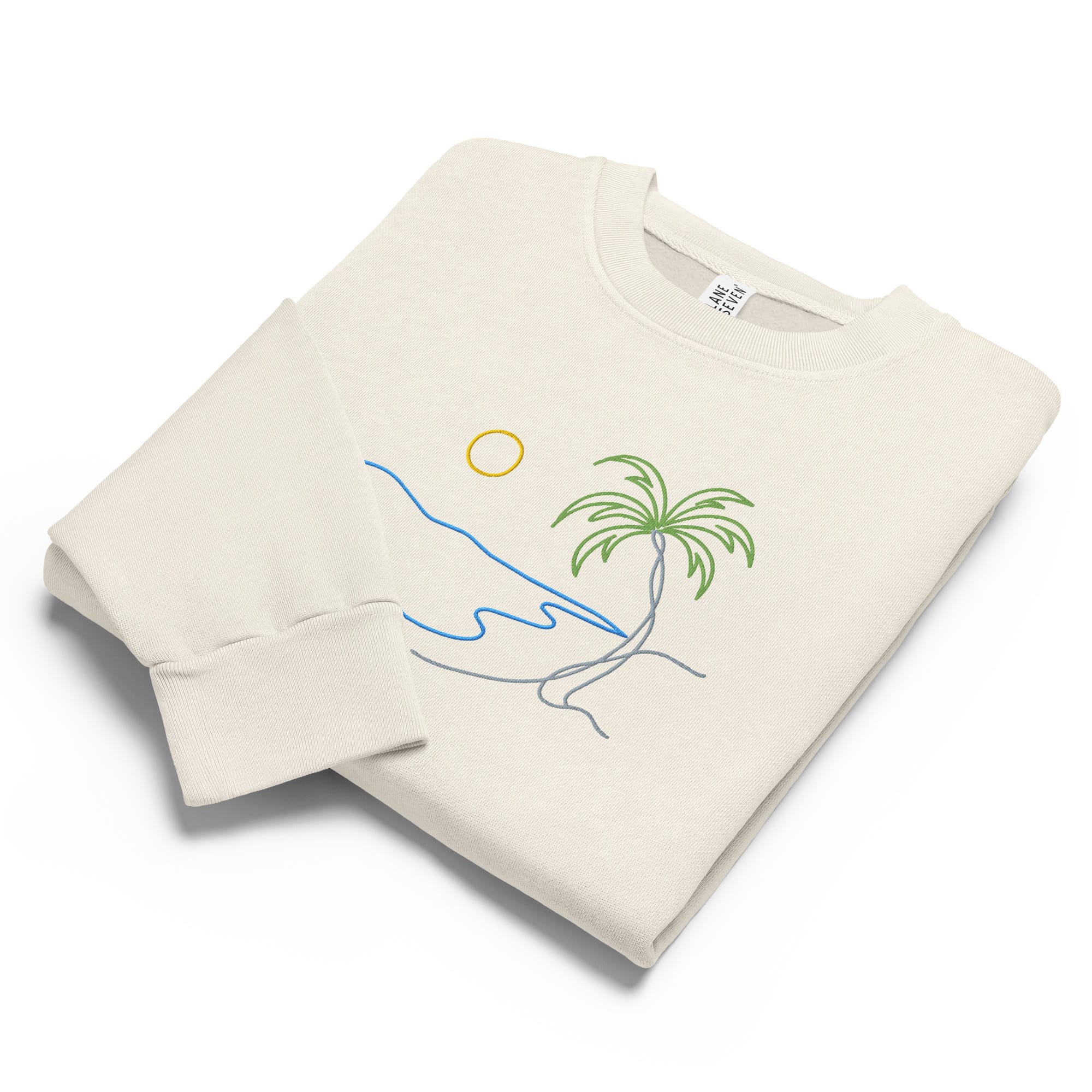
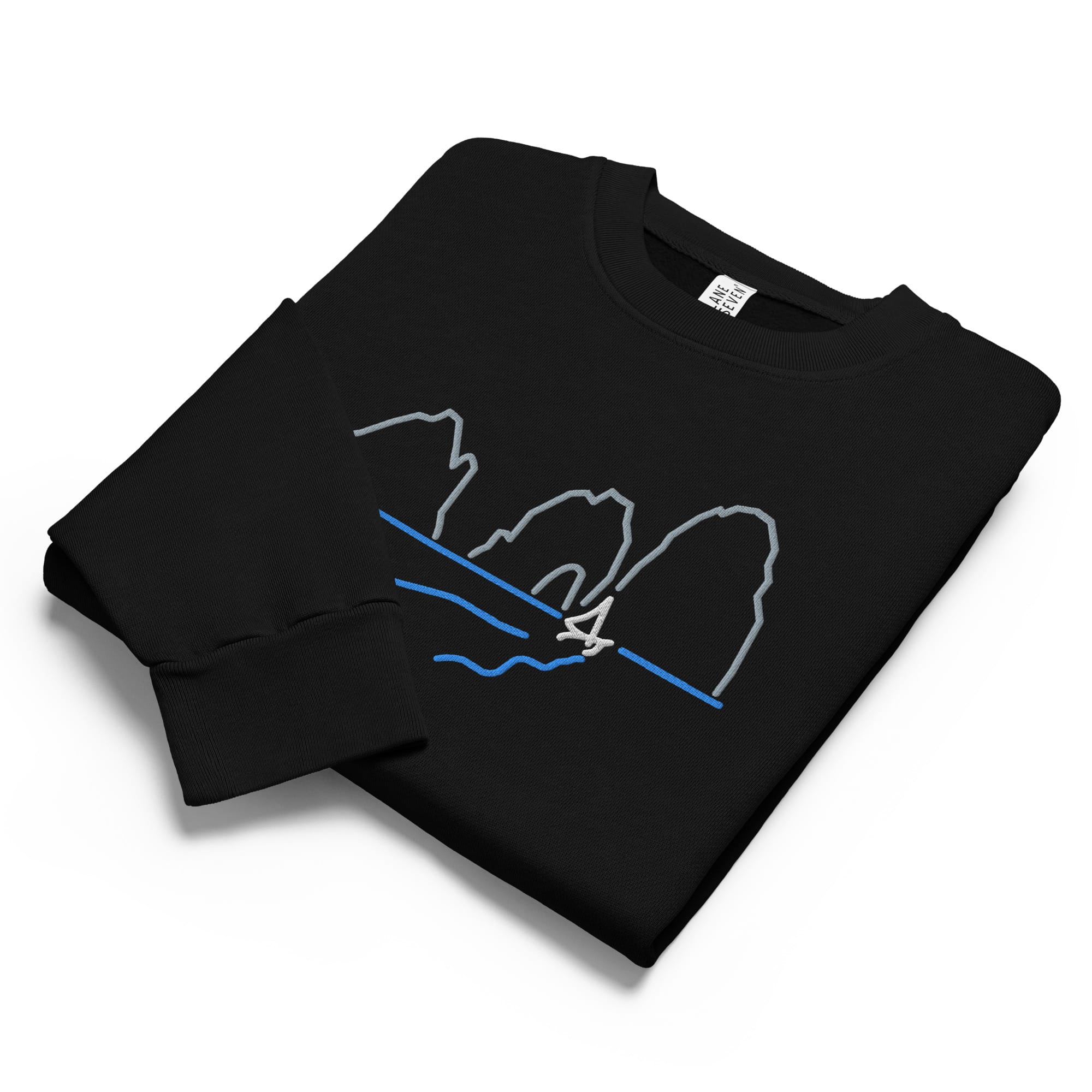
Placed on apparel, the landscape becomes a representation of the wearer—not a literal portrait, not a symbolic statement, but a structural echo of personality. And because a garment surrounds the body the way a landscape surrounds a person in physical space, the parallel grows even clearer: the contour rests on the surface, while the wearer becomes the terrain it encloses.
The result is a quiet form of self-expression, more nuanced than most garments.