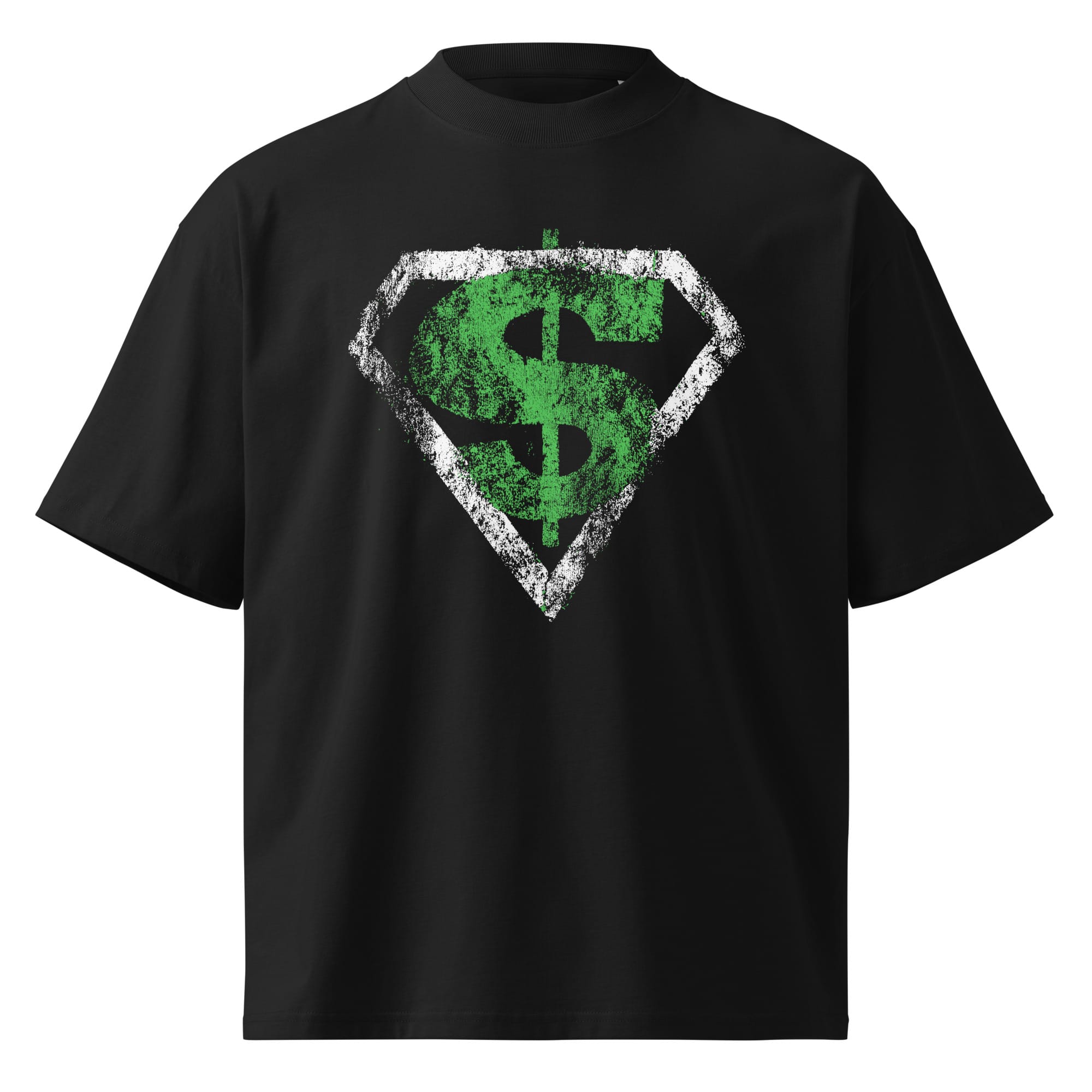
The Green Dollar Plays a New Game
A monetary tale

(Skip to audio)
Once upon a time, there was a green piece of paper called the Dollar.
The Dollar had a job:
help people trade things nicely and fairly.
One day, the grown-ups who run the game had an idea.
They said,
“What if the Dollar didn’t stand so tall?”
Not fallen.
Just… a little shorter.
Some very serious people—like Morgan Stanley—explained the idea like this:
If the Dollar is a bit weaker,
things made in America become cheaper for people far away.
That means:
- Other countries buy more American stuff 🏭
- Factories stay busy
- More people have jobs
- Tourists visit because their money feels bigger ✈️
So the Dollar said,
“Okay! I can try being smaller if it helps.”
This made some people happy.
But every game has two sides.
When the Dollar gets smaller,
things from other countries get more expensive.
Shoes.
Phones.
Food.
The Dollar didn’t change the toys—
it changed the prices.
Some grown-ups—like the reporters at NPR and The New Yorker—gently raised their hands and said:
“Careful.”
Because when things cost more,
people feel it in small ways first.
They pause longer in stores.
They skip extras.
They count coins.
So the Dollar learned something important:
Being weaker can help builders and makers.
But it can make everyday life feel tighter.
No villains.
No heroes.
Just choices.
The Dollar didn’t break.
It didn’t disappear.
It just started doing a different job.
And the grown-ups have to remember:
When you move the pieces on the board,
the board still belongs to everyone.
Even the kids buying snacks.
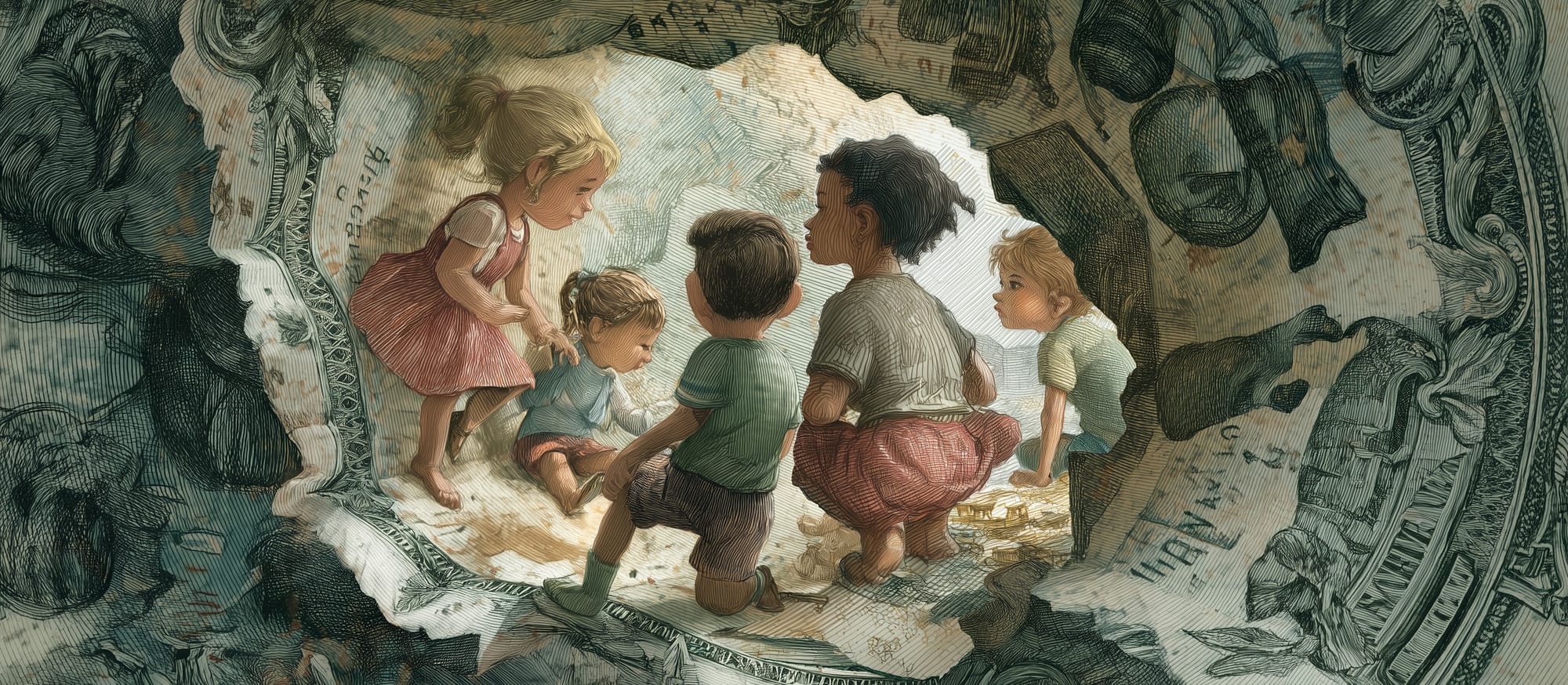
A visual reading of the story above.