internal
Small Paintings, Big Weight — Heavy on Presence, Not on the Scale
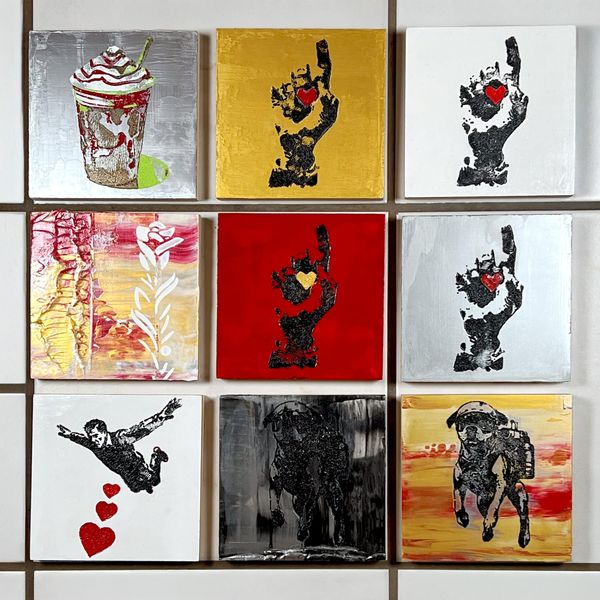
6x6 acrylic paintings, under 11 oz shipped, that carry big weight in modern wall art—small but bold, textured works with presence far beyond their size.

internal
6x6 acrylic paintings, under 11 oz shipped, that carry big weight in modern wall art—small but bold, textured works with presence far beyond their size.
artifact
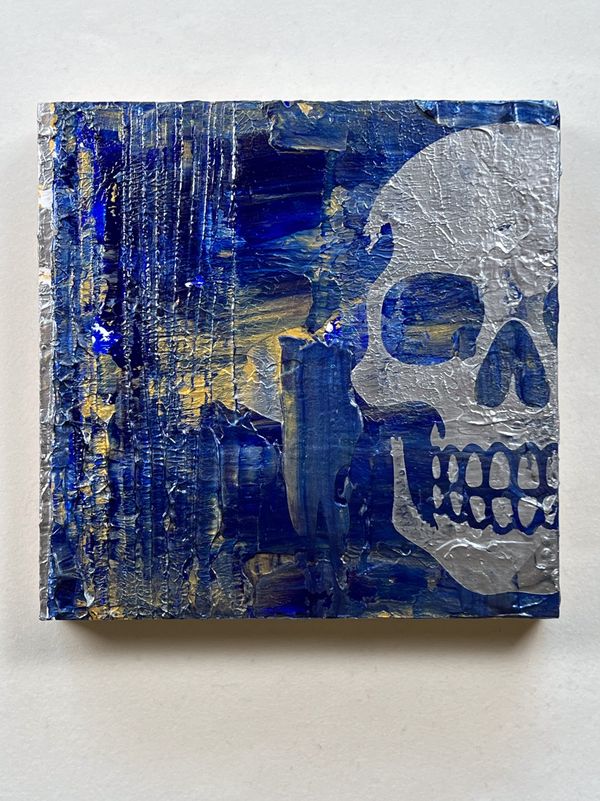
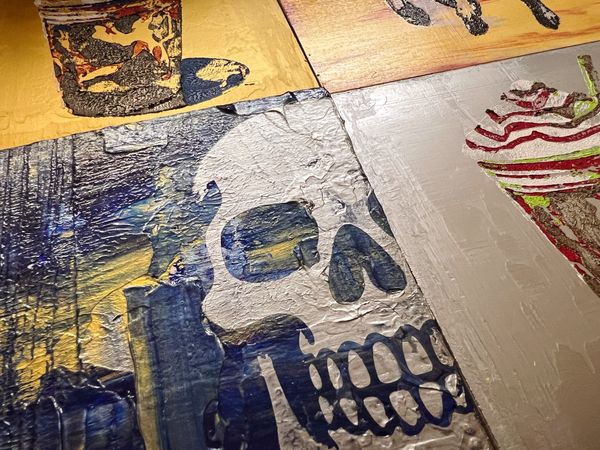
A silver skull emerging from cobalt and gold textures—modern memento mori in shimmering paint, reminding us that life is short.
internal
Studies show even young children and adults prefer glossy surfaces—possibly rooted in our attraction to water as a survival cue.
artifact
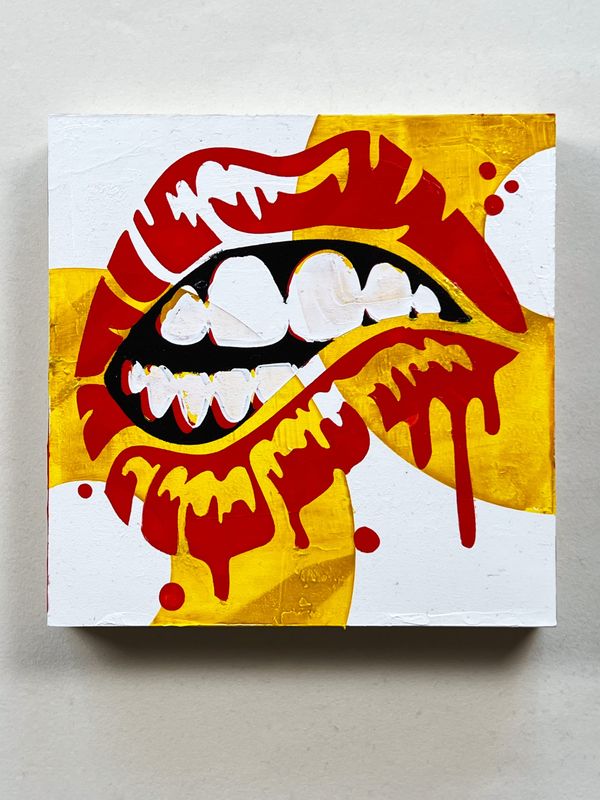
A bold twist on Lichtenstein’s lips: dripping reds over gold rings cropped like eternity symbols, balancing chaos and control in vivid pop acrylic.
external
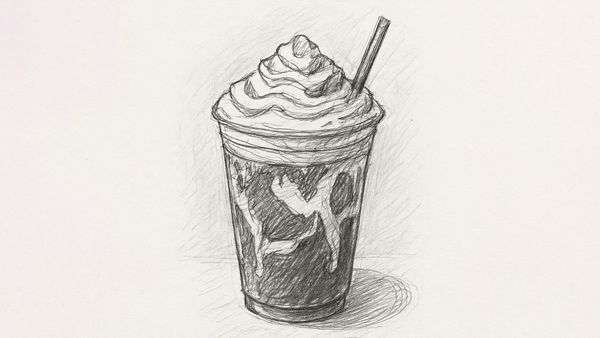
Latte as a mirror: everyday obsession dressed as luxury—coffee, reimagined in paint, where ritual and dependence blur into a single, glittering cup.
artifact
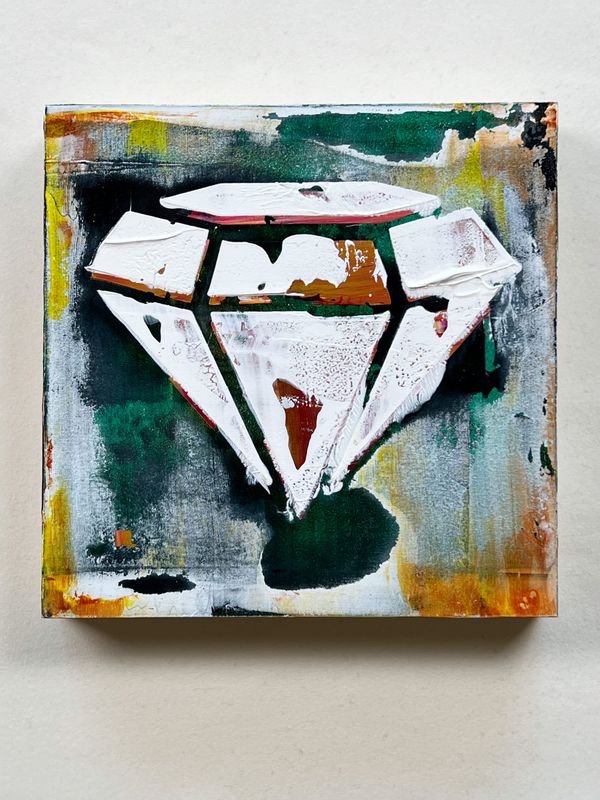
Part of a series exploring symbols reimagined, this piece fractures the image of a diamond into textured white strokes over a raw, layered field of colour.
internal
You reach the next level when the cycle of small abuses is no longer part of your life—and you feel no regret for having left it behind.
artifact
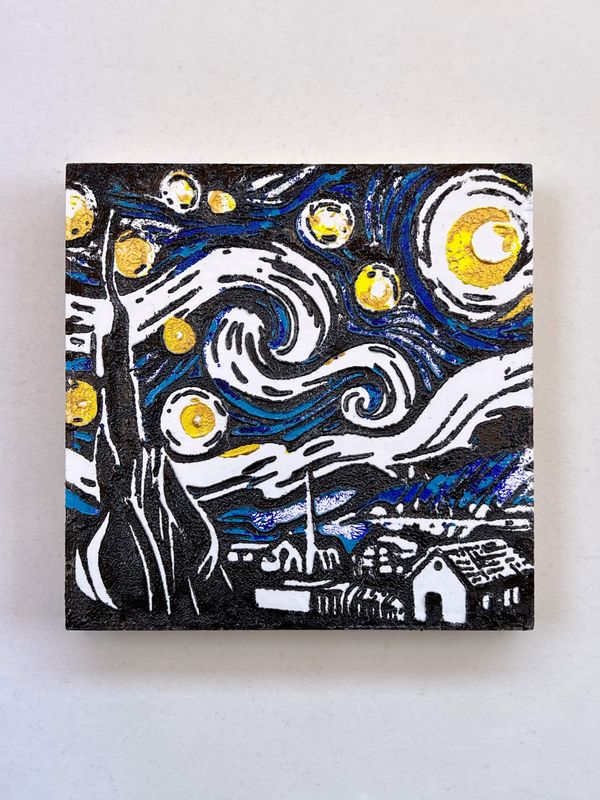
A modern reinterpretation of Starry Night, this painting contrasts sculptural black impasto with reflective gold, suggesting both cosmic light and mechanical precision.
artifact
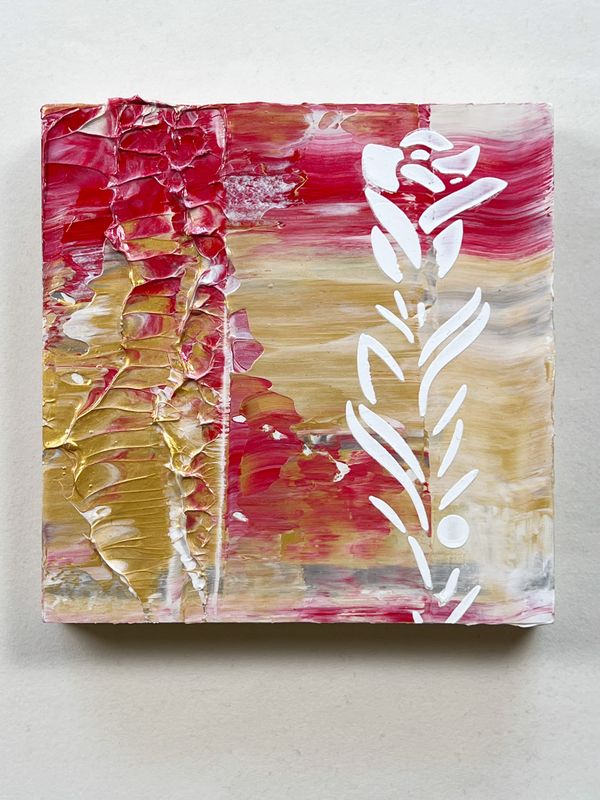
Part of a series exploring texture versus form, this piece sets fire-like impasto against the cool precision of a reversed tattoo-inspired floral design.
You've been in beast mode since you were four. That was the year you climbed the water tower on a dare from nobody — there was no dare, you just looked at it one morning and decided. The town watched from below. Your grandmother watched from the porch. She

self-preservation
This document appears to originate from a prolonged period of social misalignment. The language suggests an attempt to distinguish belonging from self-erasure.
self-preservation
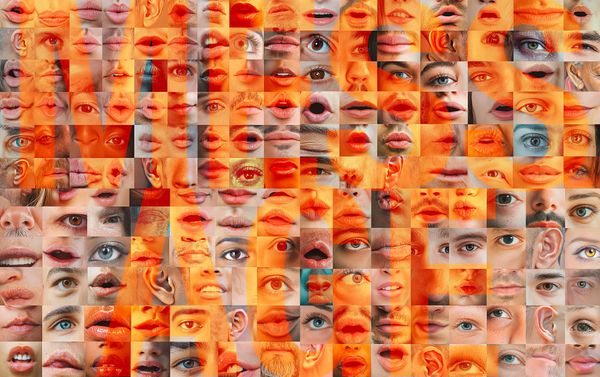
Every voice carries its own rhythm. The art of communication is learning to hear yours—and using it without sanding off the edges that make it real.